How to Identify the Source of Dampness and Mold at Home: A Simple Foil Test
Cold weather often causes damp spots and mold on walls due to poor ventilation or internal leaks. A simple household foil test helps determine the true source of moisture.
 🏙️City
Photo: TSN
Key points
- Dampness stems either from air condensation or structural leaks
- A 20x20 cm foil test helps differentiate internal moisture from room condensation
- Covering wet spots without fixing leaks leads to further wall damage
With the onset of cold weather, residential buildings often face issues with high moisture levels, leading to damp wall patches, peeling paint, and mold growth. The underlying causes can range from insufficient indoor ventilation to hidden water infiltration through structural elements. To determine the exact origin of moisture, specialists suggest using a simple diagnostic method involving common aluminum foil.
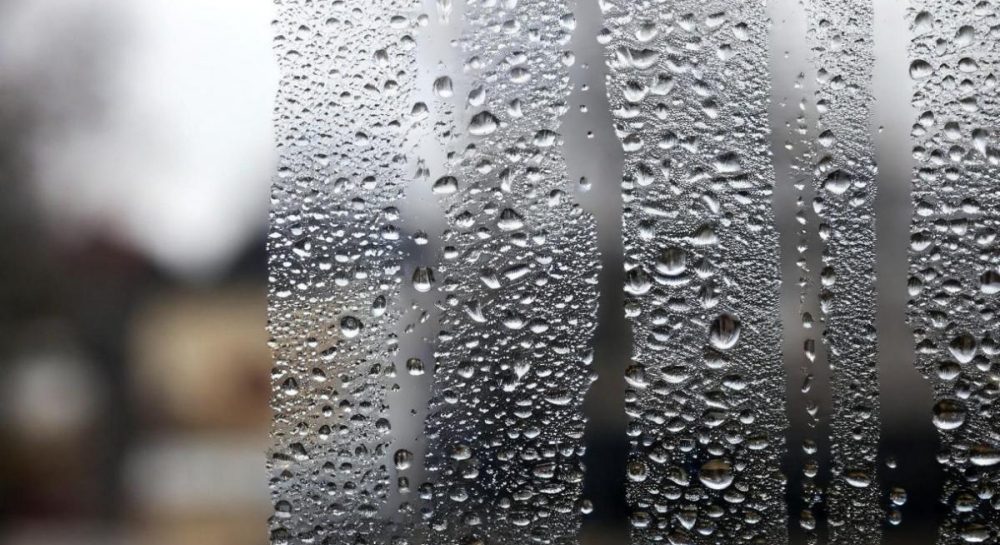
Surface dampness is most frequently caused by the condensation of water vapor produced during breathing, cooking, or showering. When warm air contacts a cold exterior wall, vapor turns into droplets. Alternatively, moisture may enter the building through facade cracks, damaged roofing, or leaking plumbing pipes.
How to Conduct the Foil Test
To perform the check, Blikk publication recommends cutting a square piece of aluminum foil measuring approximately 20 by 20 centimeters and taping it to the suspected wall area. All four edges must be sealed tightly with tape to prevent air from getting underneath. The test should be conducted away from active leaks and electrical wiring.
After 24 to 48 hours, inspect the foil surface. If water droplets form on the outer side facing the room, it indicates air moisture condensation due to poor ventilation or cold wall temperatures. If moisture accumulates on the inner side against the wall, it suggests water trapped inside the building materials themselves.
Preventive Measures and Recommendations
Experts emphasize that while the foil test does not replace a comprehensive technical inspection, it provides a useful initial assessment. If an internal leak is suspected, professionals should be consulted, as merely painting over damp spots or applying new wallpaper will worsen structural decay.
To prevent condensation, residents are advised to ventilate rooms regularly, ensure exhaust fans function properly, maintain indoor humidity between 40–60% using a hygrometer, and avoid placing large furniture directly against cold exterior walls.
Source TSN — tsn.ua/other/chomu-ziavliayetsia-plisniava-ta-mokriiut-stinyi-test-iz-f… ↗
Read next
 👥Society
Charity auction in Lviv region raises UAH 60 million for Ukrainian defenders
A charity event in the Lviv region brought together communities and businesses to fund drones and rehabilitation for a wounded soldier.
 💡Tech
How to prepare windows for winter: a Scandinavian method to block drafts
Residents of Rozdilna can improve home insulation using household items without the need for expensive repairs.
 💡Tech
Investigation in Poland: New Details Revealed on Russian Missile Origins
Polish investigators have determined that three Russian Kh-101 missiles that breached the country's airspace were manufactured in late 2026.
 🛡️Security
Tragedy in Dymer: Death toll from Russian strike rises to seven
Rescuers have recovered the body of another victim from the rubble of a destroyed building in Dymer. Search and rescue operations are ongoing.
 🏛️Politics
Donald Trump threatens Iran with military strikes after the New Year
The US President has signaled readiness for military action against Iran due to a lack of progress in diplomatic negotiations.
 🏛️Politics
Ukrainian diaspora in the US builds ties with newly elected Congress members
Representatives of the Ukrainian community in the US have begun outreach to new members of Congress to ensure continued support for Ukraine.