Microplastics in water: scientists discover new health risks
A study by Columbia University proves that microplastics do not just pollute the environment but trigger dangerous chemical reactions upon contact with water.
 🩺Health
Photo: TSN
Key points
- Microplastics form reactive oxygen species in water
- Polyethylene and polypropylene are the most chemically active
- Heating plastic increases the risk of harmful particle release
Microplastics, which we are used to considering as passive waste, have proven to be significantly more active and dangerous than previously assumed. A new study conducted by scientists at Columbia University, in collaboration with colleagues from Berkeley, has shown that plastic particles are capable of triggering chemical reactions directly in water.
Chemical activity of plastic
During contact with an aqueous environment, reactive oxygen species form on the surface of the plastic. These compounds, particularly hydroxyl radicals, have the ability to damage proteins and DNA structures. Experiments with mouse erythrocytes demonstrated that such exposure can lead to cell destruction.
- Polyethylene and polypropylene showed the highest activity.
- PET bottles and acrylic showed lower reaction intensity.
- Heating plastic and prolonged exposure to sunlight accelerate the breakdown of the material into smaller fractions.
Scientists emphasize that as plastic particles become smaller, their surface area increases, creating conditions for more intense chemical processes. This discovery changes our understanding of how synthetic materials interact with biological organisms.
Source TSN — tsn.ua/zdorovya/mikroplastyk-vyiavyvsia-nebezpechnishym-niz-vvazaly-shc… ↗
Read next
 🎭Culture & Sport
Unique 9-kilometer-long European village preserves medieval layout
The Polish village of Suloszowa has amazed visitors for seven centuries with its unique architectural structure, featuring houses lined up along a single road.
 🧠AI Analysis
Polish Investigators Reveal Details on Fallen Russian Kh-101 Missile
Polish authorities identified wreckage from a recently manufactured Russian Kh-101 cruise missile that exploded mid-air before hitting the ground.
 🎓Education
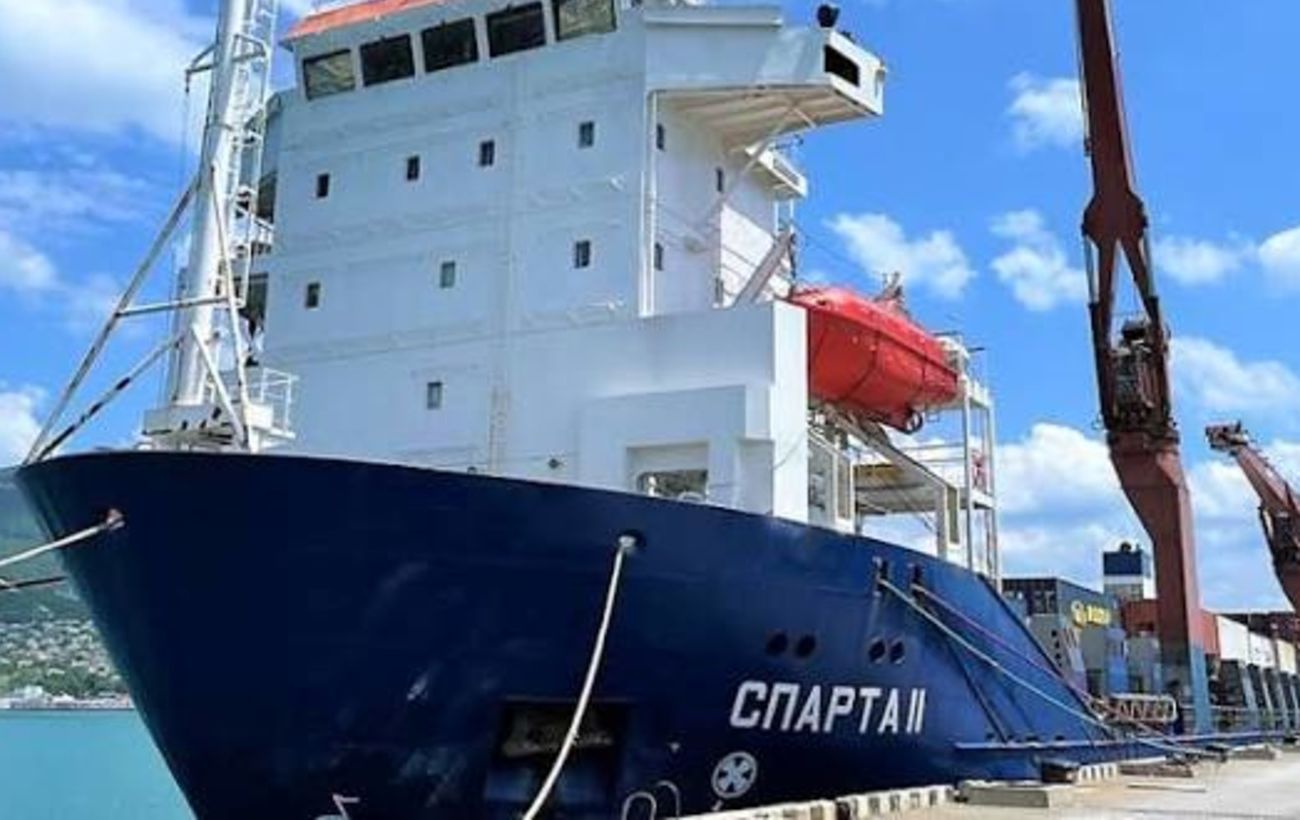
Fire on Russian Vessel Sparta II in Finland: Emergency Operations Underway
Rescue operations continue in Finnish territorial waters to extinguish a fire aboard the Russian cargo ship Sparta II following a drone attack.
 🎓Education
Inter-agency standoff: NABU investigates SBU Alpha operators over seized funds from past searches
The National Anti-Corruption Bureau has initiated proceedings against Alpha special forces officers over 25 thousand dollars seized during previous investigative actions.
 🎓Education
Nighttime drone attack on Dymer, Kyiv region: Fourteen people missing after strike
A multi-story residential building was damaged in the village of Dymer following a hostile drone strike, with rescue operations underway.
 🚨Events
Famous singer Miley Cyrus marries for the second time: Details of the intimate ceremony
American pop star Miley Cyrus has officially tied the knot with musician Max Morando. The wedding took place in California at an iconic historic estate.